Education
This is an essential part of our association, to produce knowledgeable and confident beekeepers.
While beekeeping is a ‘hands-on’ craft, understanding as much as possible about the bees, their anatomy and life cycle, behaviour and breeding, the products from the hive, the vast array of equipment and of course the law, will all contribute to making you a better beekeeper. There are a myriad of opportunities to increase your knowledge and understanding. As the saying goes, there are either ‘keepers of bees’ or ‘beekeepers’; we hope you will be the latter.
For more information please email wsbka.education@gmail.com
Courses/Training
-
Beginners’ Course
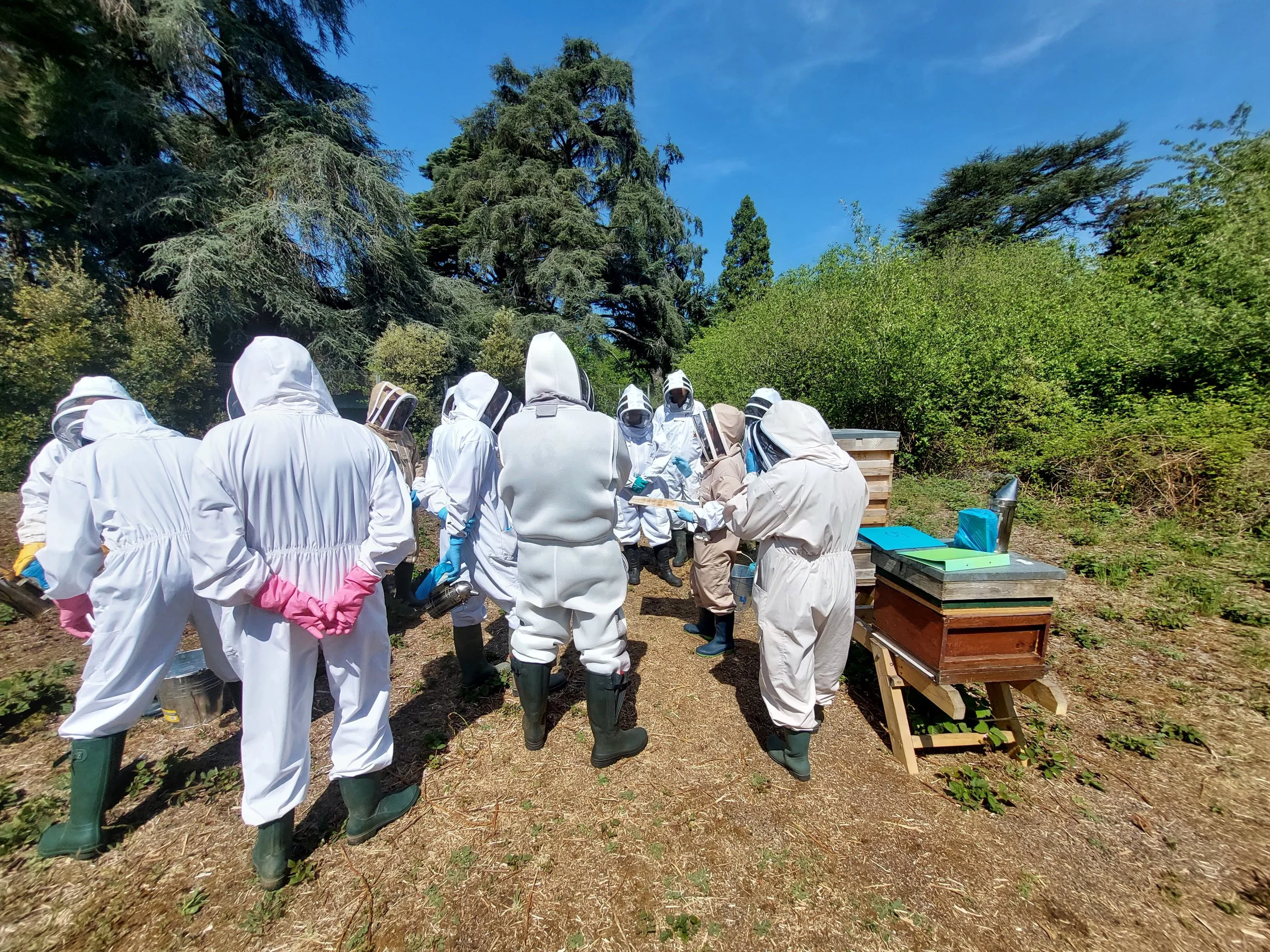
This introduction to beekeeping involves evening classroom sessions followed by dedicated apiary sessions at the association’s apiary at Nowton. It covers all the basic information a person would need to begin taking on the responsibility of keeping bees.
-
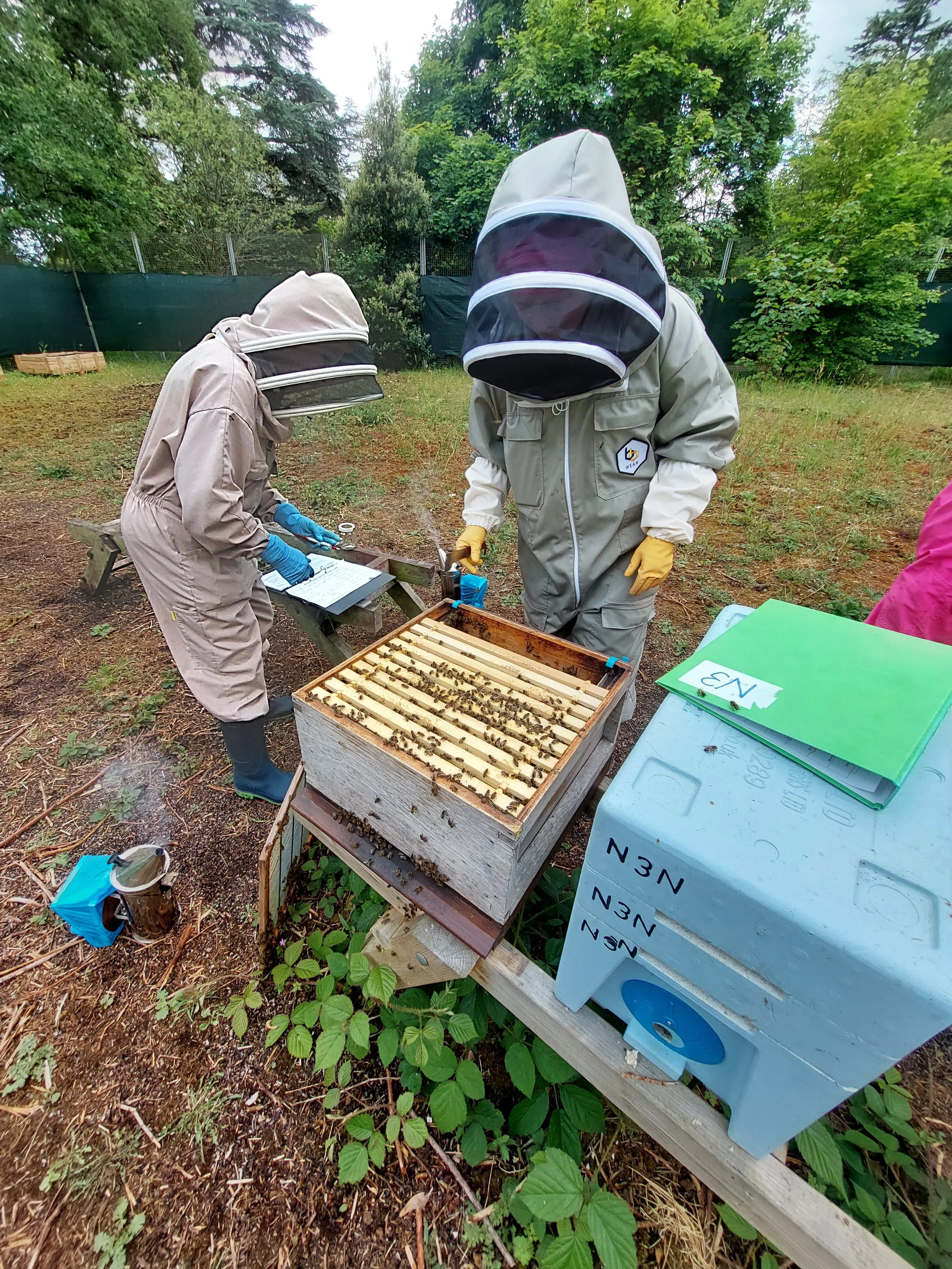
Basic Assessment Training
If you have kept bees for a whole season/year, or any time thereafter, it is a good idea to take the BBKA Basic Assessment. This is a completely practical assessment that will enable you to know that you are on the right track to becoming a good beekeeper.
-
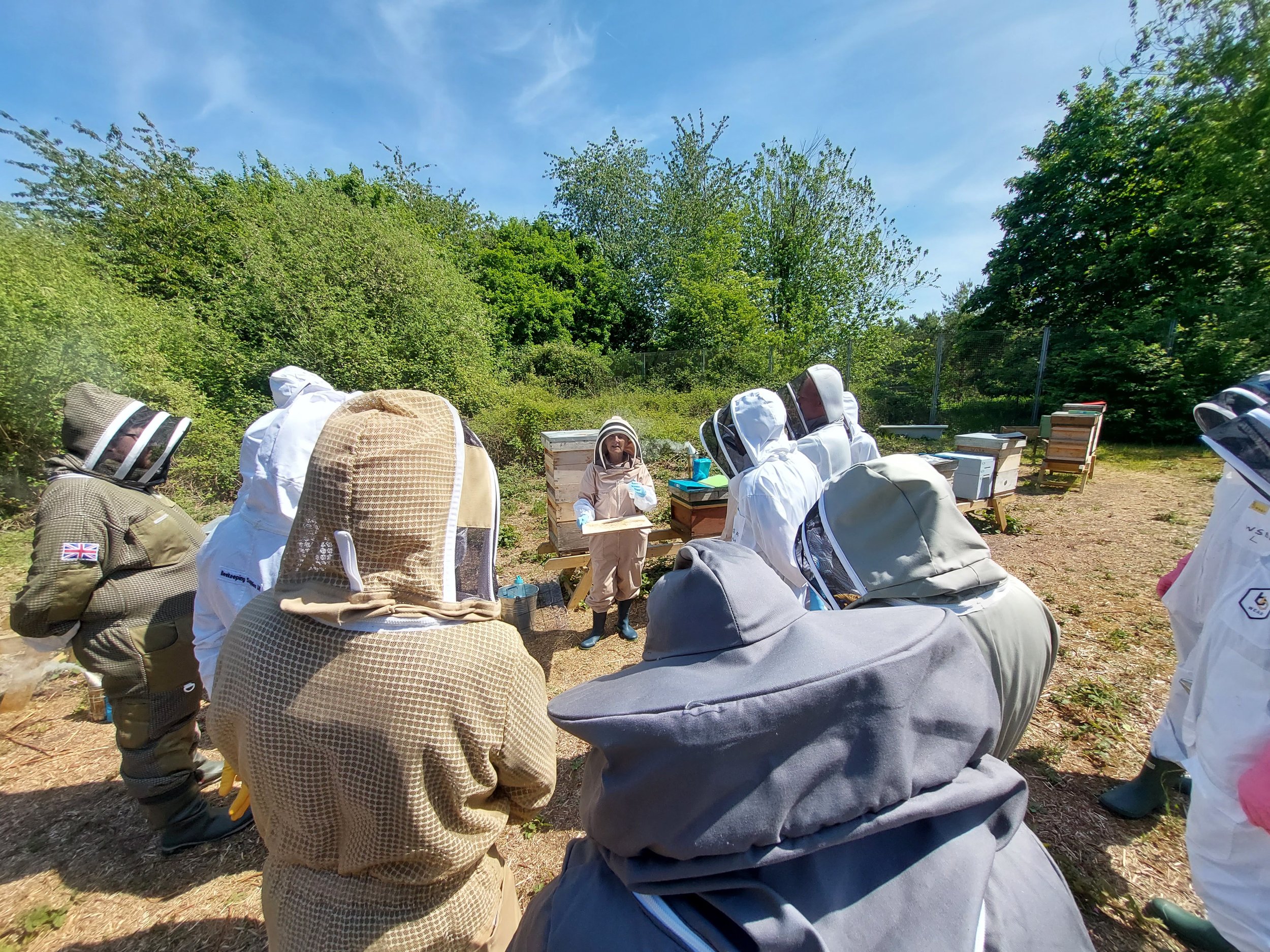
Apiary Training
Ongoing training takes place at the association apiary at Nowton, Bury St Edmunds. It is open to beekeepers of all levels of experience – and none. It provides the opportunity to work with the bees under the supervision of more experienced beekeepers and provides for an exchange of ideas and to discuss any problems you might have.
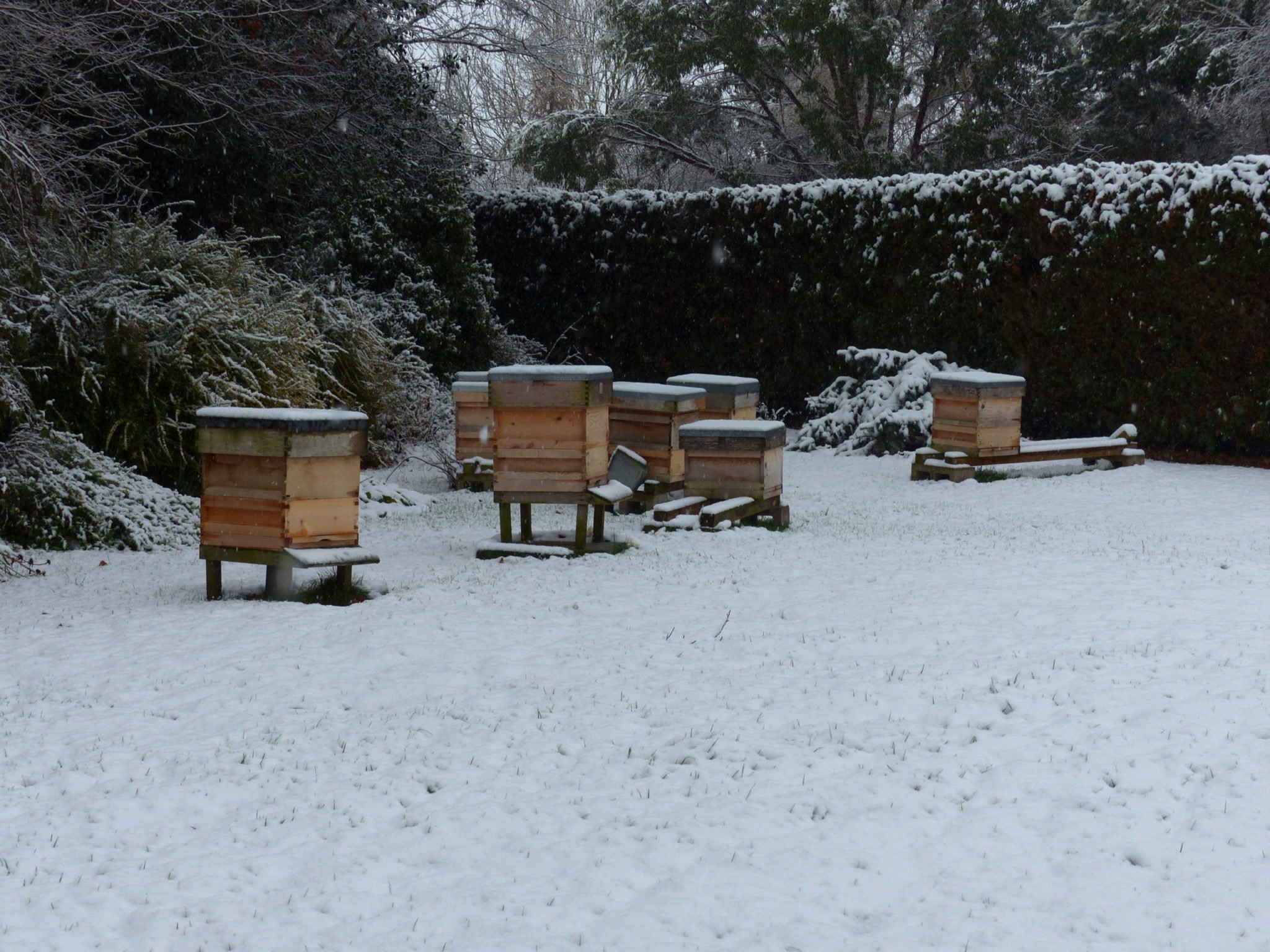
Winter Programme
The association typically meets on the second Thursday of the month at a local village hall from October to March.
There is a diverse programme of lectures and demonstrations that interests all abilities.
It has included a National honey judge, a senior scientist from APHA (The Animal and Plant Health Authority), Bee Inspectors, and well-known names from the beekeeping world, such as Celia Davis.
The aim is to enrich the knowledge of members. There is also time for a chat over coffee and a chance to borrow books from our library. It is also a chance to hear about upcoming events.

Other Learning Opportunities
Study Groups , Microscopy Group, Conferences etc
There are endless opportunities to increase your knowledge about beekeeping both practical and theoretical.
Training courses on various aspects are offered all over the country. Attending the winter meetings, the apiary, our Bulletin as well as on our site are just a few of the places you can get more information.
Please visit our Other Learning Opportunities page to learn more!

Exams and Assessments
If you are interested in learning more with a view to maybe taking any of the BBKA assessments click on this link to find out more.
The BBKA Examinations and Assessments offers two strands of learning that complement each other. The first through a range of practical assessments and the second, theoretical exams to increase your understanding of the bees themselves and everything surrounding the craft.
Even if you don’t wish to finally sit for one of the assessments, it is worth following one of the prescribed syllabi either on your own, through a correspondence course or in a study group with friends. Keeping bees should also be about life long learning.